 ZipCoApply
Fitness Gear Worth the Investment: What Actually Matters
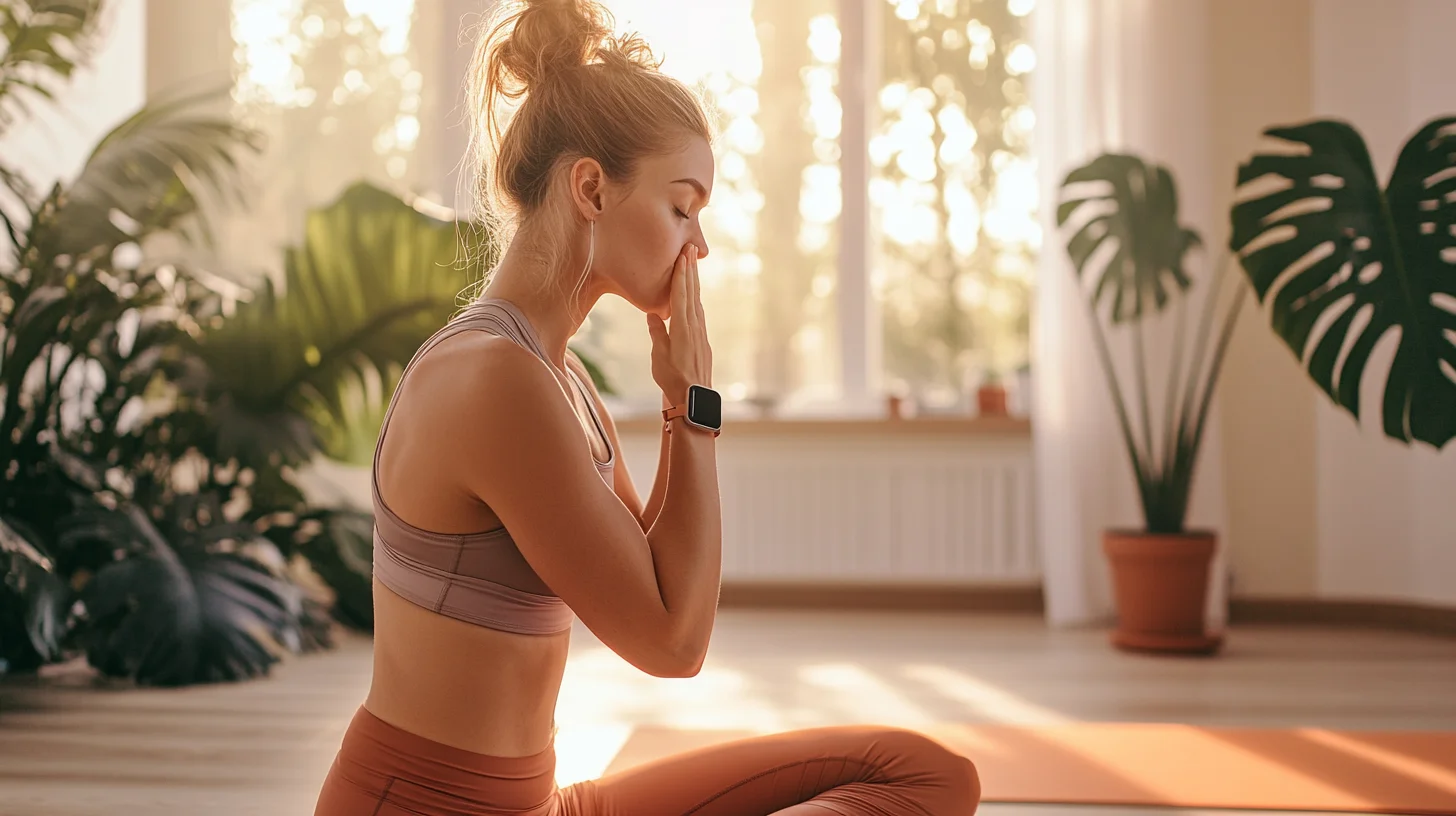
Not all fitness gear is created equal. Some investments pay dividends in motivation and results, while others gather dust after two weeks. Here's what's actually worth your money and what's marketing hype designed to separate you from your hard-earned cash.
The fitness industry thrives on selling the next best thing, promising each new gadget will transform your body and life. Reality is less glamorous: consistency matters infinitely more than equipment. But the right gear can make consistency easier and more enjoyable, which is where smart investing makes real difference.
Shoes: Never Cheap Out Here
Quality athletic shoes are non-negotiable for anyone serious about fitness. Whether you're running, lifting, or taking classes, proper footwear prevents injuries that derail fitness journeys and cost far more than good shoes ever would. Invest 100-150 dollars in shoes specific to your primary activity. Running shoes differ from lifting shoes differ from cross-trainers—each is engineered for specific movements.
Replace running shoes every 300-500 miles or 6-12 months even if they look fine externally. The cushioning breaks down before visible wear appears. Track mileage in apps or mark purchase dates on shoe tags as reminders. Worn-out shoes cause knee, hip, and back problems that cost far more in medical bills and missed workouts than new shoes cost.
👟 Shoe Investment Guide
- Running: $100-150 from brands like Brooks, Asics, or Nike
- Lifting: $80-120 for flat, stable soles (Converse, dedicated lifting shoes)
- Cross-training: $90-130 for versatile all-purpose training
- Replacement schedule: Every 300-500 miles or 6-12 months
Home Equipment Worth Buying
Adjustable dumbbells are the most versatile home equipment investment you can make. A set replacing 5-50 pound weights in one compact system (200-400 dollars) enables hundreds of exercises in minimal space. Brands like Bowflex or PowerBlock save money and space compared to full dumbbell racks while offering identical functionality. They pay for themselves compared to gym memberships within one year of regular use.
Resistance bands offer incredible value—a complete set costs 20-40 dollars and provides full-body workouts anywhere. They're portable, versatile, and gentle on joints while still building serious strength when used correctly. Perfect for travel, small spaces, or supplementing other workouts. No other equipment offers this much versatility per dollar spent.
A quality yoga mat (30-80 dollars) matters if you practice regularly or do floor work. Cheap mats slip, compress unevenly, and fall apart quickly. Brands like Manduka or Liforme last years with proper care and actually enhance practice by staying put and cushioning properly. If yoga isn't your thing, a basic mat for stretching still makes sense—floor work is uncomfortable on hard surfaces.
🏋️ Starter Home Gym Budget Tiers
What You Can Safely Skip
Fancy fitness trackers beyond basic models are overkill for most people's actual needs. A 50-100 dollar Fitbit or Apple Watch SE tracks everything needed: steps, heart rate, sleep, workouts. The 500 dollar premium models add features most users never utilize or could get from phone apps anyway. Start basic, upgrade later only if you genuinely need specific advanced features—most people never do.
Home gym machines like treadmills or ellipticals often become expensive clothing racks within six months. Unless you're absolutely committed and have dedicated space, gym memberships or outdoor running make more sense. Machines cost thousands, need maintenance, and lose massive resale value. They're psychological commitment, not practical necessity for most buyers.
Specialized equipment for specific workouts (ab wheels, foam rollers, balance balls) are fine additions but not necessary starting points. Master basics with minimal equipment before accumulating specialized gear that addresses marginal improvements. Progressive overload and consistency beat fancy equipment every time.
Clothing: Quality Over Quantity
You need fewer workout clothes than you think. Three to four complete outfits (shirt, shorts/pants, socks, sports bra if applicable) lets you work out multiple times between laundry without redundancy. Invest in quality fabrics that wick moisture and resist odor rather than cheap pieces requiring constant replacement. Good workout clothes last years, not months.
Workout clothes from places like Costco, Target, or Amazon Basics often match quality of premium brands at fraction of cost. You're paying for performance, not logos. Save the splurge for shoes where it genuinely matters. Nobody cares about your workout outfit brand—they care whether you show up consistently.
Gym Membership vs Home Setup
Calculate honest usage before committing either direction. A 40 dollar monthly gym membership costs 480 yearly. If you'll use it three-plus times weekly, it's worth it for variety and equipment access. If you're optimistically hoping you'll go, you're buying expensive guilt that makes you avoid gyms entirely.
Home setups costing 500-1,000 dollars for basics (dumbbells, bench, mat, bands) pay for themselves in a year compared to gym memberships. But they only work if you actually use them at home. Many people need the social environment and variety of gyms to stay consistent. Be honest about your personality and habits—home gym equipment can't create discipline you lack.
💪 Investment Priority Order
1st Priority: Quality athletic shoes for your main activity
2nd Priority: 3-4 sets of quality workout clothes
3rd Priority: Resistance bands and yoga mat
4th Priority: Adjustable dumbbells if training at home
5th Priority: Specialty items for specific goals
Everything else is optional optimization, not necessity
When Financing Makes Sense
Quality fitness equipment is expensive upfront but lasts years with proper care. If choosing between 600 dollars on credit card at 20% APR or a personal loan at 10% APR for the same amount, the loan saves significant money over repayment period. Better yet, saving up beats both options, but if health is suffering now while you save, financing essentials might be worthwhile investment in your physical and mental wellbeing.
Calculate cost-per-use honestly before financing anything. An 800 dollar home setup used three times weekly for three years is 1.70 per workout. That same money on unused gym membership is infinite cost-per-use. Investment value depends entirely on actual usage, not theoretical plans or good intentions. Be brutally honest about your actual behavior patterns.
Remember: fitness results come from consistency, not equipment. The most expensive gear won't create results if you don't use it regularly and progressively. The cheapest minimal setup that you'll actually use consistently beats the perfect home gym gathering dust in the corner. Start simple, prove your commitment through months of consistency, and let demonstrated dedication guide future investments. Let your actions determine spending, not aspirational versions of yourself that may never materialize.
Share This Article



Ready to Invest in Your Health?
Get the equipment you need now with flexible payment options that fit your budget.
Apply for a Loan →